
Spiral Dough Mixers
Spiral Mixers for bread and pizza dough.
At Australian Bakery and Pizza, we understand the importance of quality equipment in achieving consistent, high-quality dough every batch with a commercial spiral dough mixer for your bakery or pizzeria. Our spiral mixers are designed for superior bread and pizza dough development, ensuring consistency, efficiency, and excellent dough treatment.
We offer a range of models, from single-phase mixers with one speed to three-phase mixers with two speeds (slow and high), catering to different production needs. These mixers are the top choice of award-winning bakers and pizza makers across Australia, allowing for fast production while maintaining optimal oxidation control and gentle dough handling.
When you buy from us, you’re not just purchasing a commercial spiral dough mixer Australia”—you’re investing in reliable, high-performance equipment backed by expert advice and dedicated customer support. Explore our guides on how to get light and fluffy dough using a spiral mixer and discover the role of spiral dough mixers in artisan bread making.
-
Atlas S80N Spiral Dough Mixer
 Primary Use: Bakery, PizzaCapacity: 25kgPower: 415V
 -
Atlas Spiral Dough Mixer Range
Primary Use: BakeryCapacity: 25-100kgPower: 415V -
IGF 2200 Spiral Dough Mixer
 Primary Use: PizzaCapacity: 20-50 LitrePower: Model Dependent
 -
IGF 2200T Spiral Dough Mixer
 Primary Use: PizzaCapacity: 20-50 LitrePower: Model Dependent
 -
IGF 2400 Spiral Dough Mixers
 Primary Use: PizzaCapacity: 12-18KgPower: 240V
 -
IGF 3000 Spiral Mixer
 Primary Use: PizzaCapacity: 40- 50 LitrePower: 415V
 -
LP Lux Removable Bowl Spiral Mixers
 Primary Use: BakeryCapacity: 80-280 KgPower: 415V
 -
LP Lynx Self Emptying Spiral Mixers
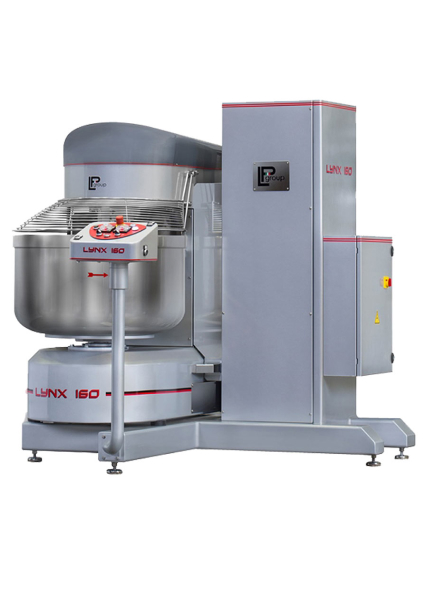 Primary Use: BakeryCapacity: 120-200KgPower: 415V
 -
LP VIS-R Fixed Bowl Spiral Mixers
 Primary Use: BakeryCapacity: 60-200KgPower: 415V
 -
Star Line 40 Spiral Mixer
 Primary Use: Bakery, PizzaCapacity: 40 KgPower: 415V
 -
Star Plus 60 Spiral Mixer
 Primary Use: Bakery, PizzaCapacity: 60 kgPower: 415V
What is a spiral dough mixer?
A spiral dough mixer is a machine designed specifically for mixing and kneading dough. It uses a spiral-shaped hook that turns while the bowl rotates in the opposite direction. This motion gently stretches and folds the dough, creating strong gluten structure with less heat and oxidation.
Because of that, spiral mixers produce consistent, well-developed dough — ideal for bakeries, pizzerias, and anyone making large batches of bread or pizza dough.
How to Choose the right Spiral Dough Mixer
Choosing the right spiral dough mixer is about matching the machine to your volume, dough type, and bakery workflow. Below are key criteria — with ABP Atlas models as real-world examples to help you decide.
1. Capacity: Match the mixer to your batch size
Capacity is the first thing to look at. Spiral mixers are usually rated by how much dough they can handle per batch.
For small cafes, artisan bakeries or pizza spots doing modest volume, the Atlas S80N Spiral Dough Mixer is often ideal. It handles roughly 25 kg flour and suits smaller-scale bread or pizza dough production.
For medium-volume bakeries or busy pizza kitchens, consider a mid-size machine like the Atlas Spiral Dough Mixer Range in a 50 kg or 75 kg flour variant — good for scaling up production without overspending.
For high-volume bakeries or wholesale dough production, you might need a heavy-duty model. For example, LP Lynx Self Emptying Spiral Mixers does heavy usage and can handle large batch sizes, suited to industrial-scale dough production.
Quick rule: Choose a mixer that comfortably handles your busiest single batch — not just your average load.
2. Power and Drive Type: Single vs. Three-Phase
Commercial spiral mixers usually run on three-phase 415 V power. That gives the torque and reliability needed for dense or high-hydration doughs typical in bakeries.
The Atlas VIS-R line, for instance, runs on 415 V three-phase and uses multi-belt driven transmission, which supports heavy dough loads and frequent use.
For smaller operations or where electrical infrastructure is limited, ensure your mixer’s power requirements match your kitchen setup.
3. Build Quality, Bowl & Transmission
A robust build, quality bowl and reliable transmission matter — they affect dough consistency, machine lifespan, and maintenance overhead.
Atlas mixers use stainless steel bowls and belt-driven multi-belt transmission, which is quieter and easier to maintain than cheaper belt- or chain-driven mixers.
Look for a bowl-reverse function, reinforced motors, and safety guards. The VIS-R line offers these — useful for heavy-duty work and compliance with workplace safety.
4. Speed Control & Dough Type Compatibility
Your choice should depend on the dough types you plan to mix. Heavy breads and pizza dough benefit from gentle, controlled kneading.
Many Atlas spiral mixers offer two automatic kneading speeds (slow and fast) plus bowl reverse, which gives better handling for dense or high-hydration doughs.
If you plan multiple dough styles (artisan bread, pizza, bagels), the multi-speed and reliable motor give you flexibility and consistent results batch after batch.
5. Workflow and Kitchen Setup
Consider how the mixer will fit in your bakery or pizzeria workflow:
Do you have enough floor space? Some mixers — especially heavy-duty ones — are large.
Do you need a fixed-bowl or a removable-bowl model? Fixed-bowl mixers like the VIS-R are sturdy and built for heavy use.
Do you need mobility (casters) or a permanent install? Choose based on space layout and intended usage frequency.
6. After-Sales Support & Reliability
Because bakery equipment is a long-term investment, choose a supplier with good spare-parts availability, maintenance support, and local service capability. Atlas mixers have a long history in Australia and are a strong choice if you want reliability, parts and service support over many years.
Where to start?…
Start by estimating your maximum batch size and daily dough volume.
Match that to the capacity table above.
Then check your kitchen’s power supply, space, and workflow layout. Finally, consider build quality and after-sales support — especially if you plan to run the mixer daily or at high volume.
Why Our Customers Keep Coming Back?
- High-Quality Products
- 43+ Years Experience
- Great Logistics
- Exceptional Customer Service
- Nationwide Service Network
- Top Reviews
For a Price or Advice please complete this form..
A spiral mixer is a type of commercial mixer specifically designed for kneading and mixing dough. Unlike other mixers, such as planetary mixers, spiral mixers have a unique spiral-shaped agitator that mimics the hand-kneading process, resulting in superior dough consistency.
Spiral mixers offer several advantages, including efficient and consistent dough mixing, excellent gluten development, shorter mixing times, improved hydration, better temperature control, and the ability to handle high-capacity batches. They also minimize oxidation of dough, resulting in better texture and taste in the final baked products.
A spiral mixer features a rotating spiral hook that moves in a spiral motion, mimicking the kneading action performed by hand. As the hook rotates, it stretches, folds, and develops the gluten in the dough. This method ensures thorough and even mixing, resulting in well-developed, light and fluffy and evenly hydrated dough.
Spiral mixers are versatile and can handle a wide range of dough types, including bread dough, pizza dough, bagel dough, pasta dough, and various specialty doughs used in bakeries. They are especially efficient when working with high-gluten or dense doughs.
Spiral mixers are designed to handle a wide range of batch sizes. They are commonly used for both small and large quantities of dough. However, the specific capacity of a spiral mixer will depend on its size and model, so it’s important to choose one that matches your desired batch size.
es, spiral mixers are generally easy to clean and maintain. Most models come with removable parts, such as bowls and agitators, which can be easily cleaned. It’s important to follow the manufacturer’s instructions for proper cleaning and maintenance to ensure the longevity and optimal performance of the mixer.
The mixing speed and time are crucial factors that affect dough quality. Optimal mixing speed and time will depend on the specific recipe and dough type. Overmixing can lead to excessive gluten development, resulting in a dense or tough texture, while undermixing can result in poor gluten development and inconsistent dough. Finding the right balance is essential for achieving desired dough quality.
Australian Bakery and Pizza has been supplying Australia’s Bakeries, both big and artisan. As well as the premium pizzerias for over 43 years!
We hand selected a range of robust spiral mixers to ensure you get many good years out of the product that’s right for your commercial business. We also have a premium range of Planetary Mixers available as well.